Introduction
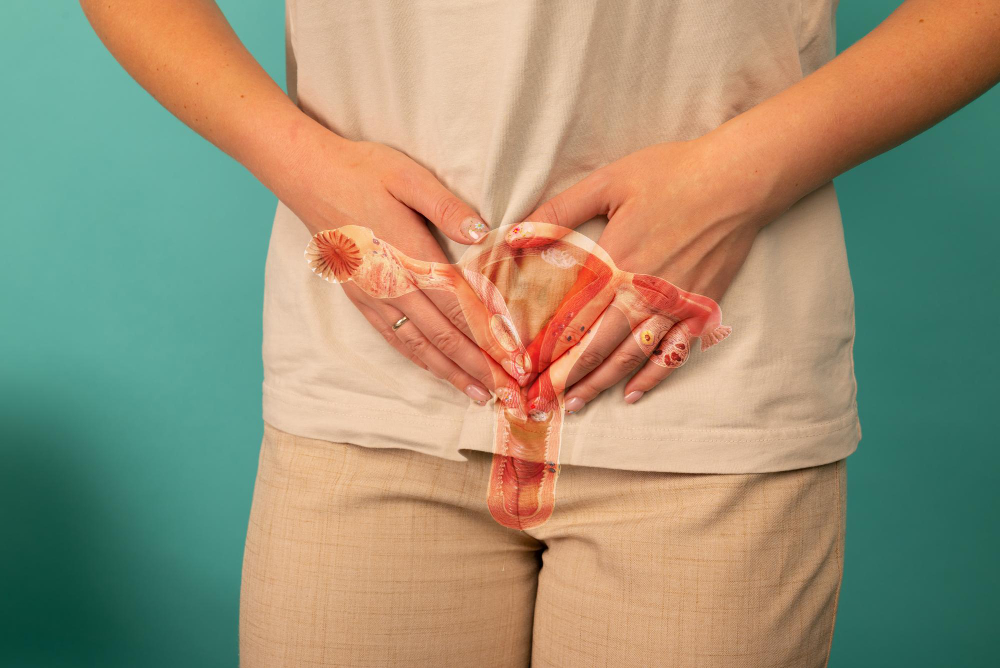
Pelvic inflammatory disease (PID) is a serious infection of the female reproductive organs. It often affects the uterus, fallopian tubes, and ovaries. Because PID can cause lasting damage, early treatment is important. Many women do not know they have PID until they notice symptoms or have trouble getting pregnant. According to the CDC, PID affects about 1 million women each year in the United States. Knowing the signs and how to prevent pelvic inflammatory disease can help protect your health.
Symptoms
Often, pelvic inflammatory disease symptoms are mild or hard to notice. However, some women have clear signs of PID. Early detection can help prevent serious problems. Watch for these common symptoms:
If you notice any of these signs of PID in women, seek medical help right away. Early treatment can prevent long-term problems.
Causes and Risk Factors
Most cases of pelvic inflammatory disease are caused by bacteria. These germs often spread from the vagina to the reproductive organs. The most common causes are sexually transmitted infections (STIs) like chlamydia and gonorrhea. However, other bacteria can also lead to PID. Several risk factors increase your chances of getting PID:
Because these factors raise your risk, it is important to practice safe sex and get regular checkups.
Diagnosis
Doctors use several methods to diagnose pelvic inflammatory disease. First, they ask about your symptoms and medical history. Next, they perform a pelvic exam to check for pain or swelling. In addition, your doctor may order tests, such as:
Sometimes, doctors use laparoscopy, a minor surgery, to see inside the pelvis. Early diagnosis helps prevent serious complications, such as infertility or chronic pain.
Treatment Options
PID treatment options depend on how severe the infection is. Most cases are treated with antibiotics. Your doctor may give you medicine by mouth or through an IV if the infection is severe. It is important to finish all your medicine, even if you feel better. In rare cases, surgery may be needed to remove infected tissue or drain an abscess. Your partner should also get treated to prevent reinfection. According to the CDC, early treatment lowers the risk of long-term problems.
Prevention Tips
Preventing pelvic inflammatory disease is possible with a few simple steps. Here are some tips on how to prevent pelvic inflammatory disease:
Because prevention is easier than treatment, these steps can help protect your health.
Lifestyle Guidance for Recovery
After treatment, taking care of yourself is important for full recovery. Here are some helpful tips:
With proper care, most women recover fully from PID. However, some may have lasting effects, so follow your doctor’s advice closely.
When to See a Doctor
If you notice pelvic pain, unusual discharge, or other signs of PID in women, see a doctor right away. Early treatment can prevent serious problems, such as infertility or chronic pain. In addition, seek help if you have a fever, severe pain, or cannot keep food or water down. Because PID can be serious, do not wait to get help.
Consult a healthcare specialist at Dr. Nasreen Ashfaq for personalized advice on pelvic inflammatory disease.