Introduction
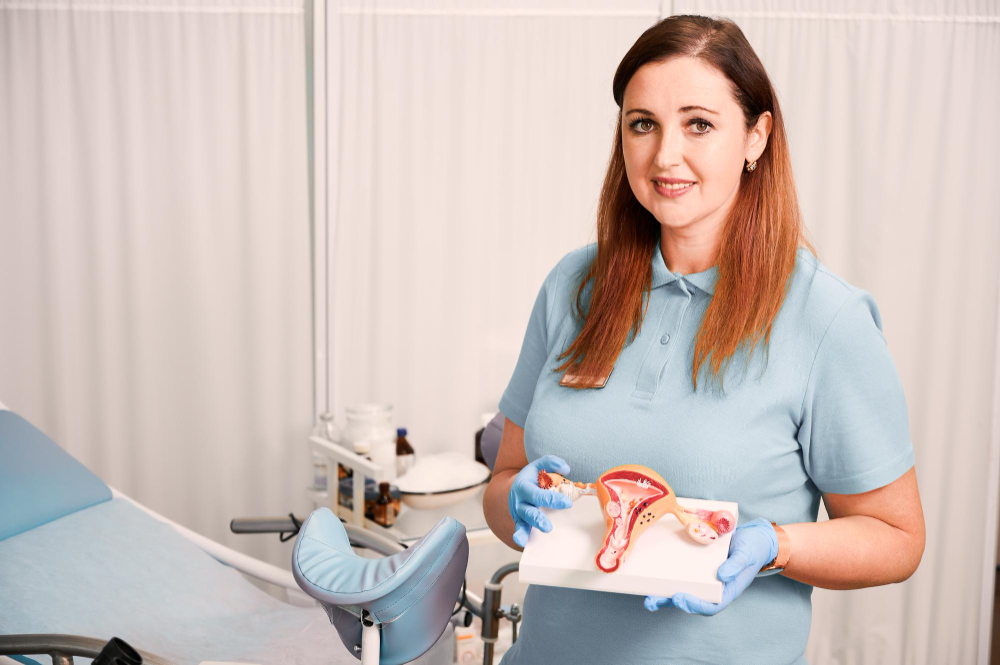
Cervical cancer starts in the cells of the cervix, which is the lower part of the uterus. This type of cancer can affect women of all ages. However, it is most common in women over 30. Cervical cancer is a serious health issue worldwide. Early detection and treatment can save lives. According to the World Health Organization (WHO), regular screening and vaccination can help prevent many cases. In this blog, you will learn about cervical cancer symptoms, causes, diagnosis, treatment, and prevention tips.
Symptoms
Cervical cancer may not cause symptoms in its early stages. As the disease grows, signs may appear. It is important to know these symptoms so you can seek help early. For example, some women notice changes in their bodies that do not go away.
If you notice any of these cervical cancer symptoms, talk to your doctor soon. Early action can make a big difference.
Causes and Risk Factors
The main cause of cervical cancer is long-lasting infection with certain types of human papillomavirus (HPV). HPV is a common virus spread through sexual contact. However, not all women with HPV will get cervical cancer. Other risk factors can increase your chances.
Knowing these risks can help you make healthy choices. For instance, quitting smoking and practicing safe sex can lower your risk.
Diagnosis
Doctors use several tests to find out if you have cervical cancer. Early diagnosis is key for better outcomes. So, regular screening is important for all women, even if they feel healthy. Here are common ways how cervical cancer is diagnosed:
If your doctor finds anything unusual, more tests may be needed. Early detection often leads to better treatment results.
Treatment Options
Treatment for cervical cancer depends on the stage of the disease and your overall health. Your doctor will discuss the best plan for you. There are several ways to treat cervical cancer. For example, some women may need only one type of treatment, while others may need a combination.
Your doctor will explain the benefits and side effects of each option. Together, you can choose the best treatment for cervical cancer for your needs.
Prevention Tips
There are several steps you can take to lower your risk of cervical cancer. Prevention is always better than cure. Here are some helpful cervical cancer prevention tips:
Following these tips can help protect your health. In addition, talk to your doctor about the best prevention plan for you.
Lifestyle Guidance for Patients
If you have cervical cancer, taking care of your body and mind is important. Healthy habits can support your treatment and recovery. For example, eating a balanced diet and staying active can help you feel stronger.
Remember, you are not alone. Many women have faced cervical cancer and found ways to cope. Your healthcare team can guide you every step of the way.
When to See a Doctor
It is important to see a doctor if you notice any unusual symptoms, such as vaginal bleeding or pelvic pain. Even if you feel healthy, regular screening is key. Early detection can save lives. If you have questions about cervical cancer symptoms or prevention, do not wait to ask your healthcare provider.
Consult Dr. Nasreen Ashfaq for personalized advice and guidance on cervical cancer.