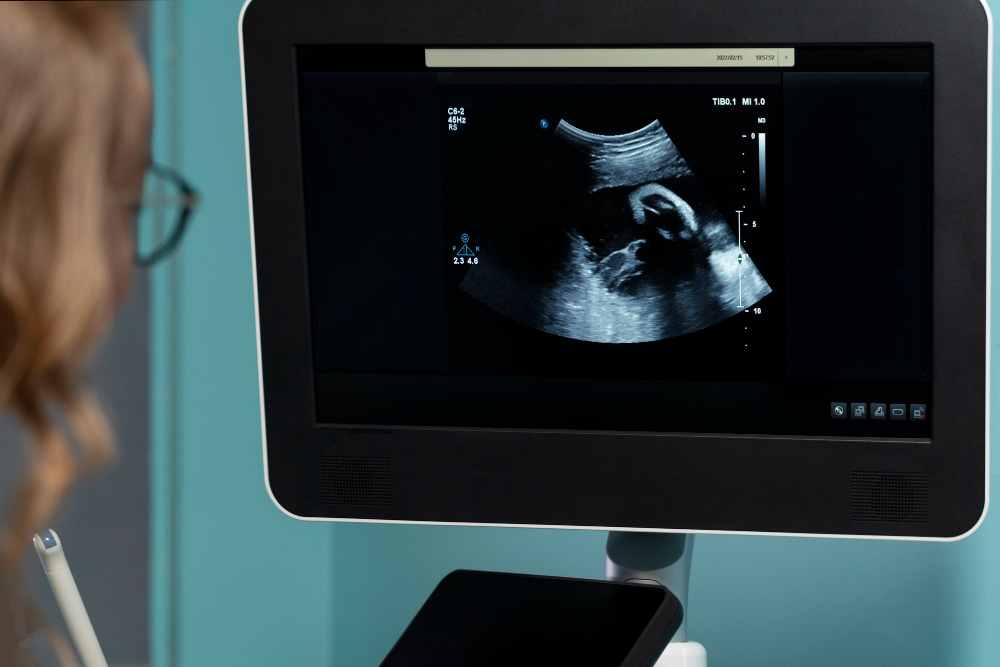
Oligohydramnios is a condition where there is too little amniotic fluid around a baby during pregnancy. This fluid helps protect and support the baby as it grows. When there is not enough, it can lead to health risks for both the mother and the baby. In this blog, we will explain what oligohydramnios is, its causes, symptoms, how it is diagnosed, and the treatment options available. We will also share tips on prevention and when to seek medical help. Understanding low amniotic fluid in pregnancy is important for every expecting parent.
What is Oligohydramnios?
Oligohydramnios means there is less amniotic fluid than normal in the womb. Amniotic fluid surrounds the baby and helps with movement, growth, and lung development. Usually, doctors find this condition during a routine pregnancy checkup or ultrasound. Although it can happen at any stage, it is more common in the last trimester. Sometimes, low amniotic fluid in pregnancy can cause problems during birth or affect the baby’s health. However, early detection can help manage the risks.
Causes of Oligohydramnios
There are several reasons why a woman may develop oligohydramnios. Some causes are related to the mother, while others are linked to the baby or the placenta. For example, certain health conditions can increase the risk.
Because these causes vary, doctors will look at your health history and current pregnancy to find the reason.
Symptoms and Signs
Often, oligohydramnios does not cause clear symptoms. Still, some women may notice changes. For instance, you might feel less movement from your baby. Sometimes, your belly may seem smaller than expected for your stage of pregnancy. Here are some signs to watch for:
If you notice any of these signs, it is important to contact your healthcare provider right away.
How Oligohydramnios is Diagnosed
Doctors use several methods to diagnose oligohydramnios. Usually, they start with a physical exam and ask about your symptoms. Next, they may use an ultrasound to measure the amount of amniotic fluid. The most common test is the Amniotic Fluid Index (AFI). If the AFI is low, it suggests oligohydramnios. Sometimes, doctors use another test called the Maximum Vertical Pocket (MVP) measurement. In addition, your doctor may check your baby’s growth and heartbeat. Early diagnosis helps guide the best treatment for you and your baby.
Treatment Options
Treatment for oligohydramnios depends on how far along you are in your pregnancy and how severe the condition is. In mild cases, doctors may simply monitor you and your baby more closely. However, if the condition is more serious, other steps may be needed.
Your doctor will choose the best treatment based on your needs and your baby’s health.
Prevention and Lifestyle Tips
While not all cases can be prevented, there are steps you can take to lower your risk. For example, healthy habits during pregnancy can make a difference.
By following these tips, you can help support a healthy pregnancy and reduce the risk of low amniotic fluid.
When to See a Doctor
It is important to contact your doctor if you notice any warning signs. For instance, if you feel less movement from your baby or notice leaking fluid, seek help right away. Also, if you have health conditions like high blood pressure or diabetes, regular checkups are vital. Early care can help prevent problems and keep you and your baby safe. Remember, your healthcare provider, Dr. Nasreen Ashfaq, is there to answer your questions and guide you through your pregnancy.
These organizations offer up-to-date advice on pregnancy health and conditions like oligohydramnios.
Consult Dr. Nasreen Ashfaq for personalized advice about oligohydramnios.