What Is Placenta Previa?
Placenta previa is a pregnancy complication where the placenta covers part or all of the cervix. The placenta is an organ that gives your baby food and oxygen during pregnancy. Normally, it sits high in the uterus. However, in placenta previa, it is too low. This can cause problems, especially during delivery. According to the World Health Organization (WHO), placenta previa affects about 1 in 200 pregnancies. Early detection and proper care are important for a healthy pregnancy.
Causes and Risk Factors
Doctors do not always know why placenta previa happens. Still, some factors can raise your risk. For example, women who have had previous pregnancies or surgeries on the uterus may be more likely to develop placenta previa. In addition, certain lifestyle choices and health conditions can play a role.
Because these factors can increase risk, it is important to share your medical history with your doctor.
Common Symptoms and Warning Signs
Placenta previa symptoms can vary. However, the most common sign is painless vaginal bleeding during the second or third trimester. Not all women will have symptoms, but you should watch for these warning signs:
If you notice any of these symptoms, seek medical help right away. Early care can help prevent serious problems for you and your baby.
How Placenta Previa Is Diagnosed
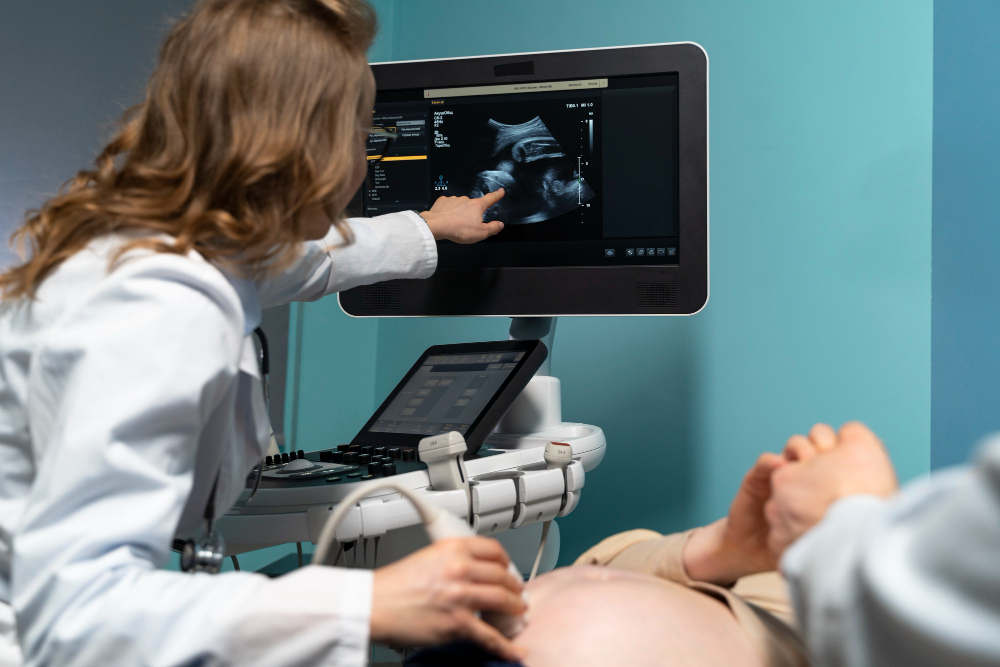
Doctors use ultrasound to diagnose placenta previa. During a routine checkup, your doctor may spot the low-lying placenta. Sometimes, a follow-up ultrasound is needed to confirm the diagnosis. In rare cases, a special test called a transvaginal ultrasound gives a clearer picture. According to the Centers for Disease Control and Prevention (CDC), early diagnosis helps doctors plan safe care for you and your baby.
Treatment Options and Management
Treatment for placenta previa depends on how far along you are and how much you are bleeding. Your doctor will create a plan that fits your needs. For many women, rest and close monitoring are enough. However, some may need to stay in the hospital for extra care.
With the right care, most women with placenta previa have healthy babies. Still, it is important to follow your doctor’s advice closely.
Prevention Tips and Lifestyle Guidance
While you cannot always prevent placenta previa, you can lower your risk by making healthy choices. For instance, quitting smoking and getting early prenatal care can help. Also, tell your doctor about any past surgeries or pregnancy problems.
Because every pregnancy is different, your doctor can give you the best guidance for your situation.
When to Seek Medical Help
If you have placenta previa or notice any symptoms, contact your healthcare provider right away. Especially if you have vaginal bleeding, severe pain, or signs of labor, do not wait. Quick action can protect both you and your baby.
Conclusion
Placenta previa is a serious pregnancy complication, but with early diagnosis and proper care, most women have good outcomes. Always talk to your doctor if you have concerns or symptoms. Consult your healthcare provider at Dr. Nasreen Ashfaq for personalized advice on placenta previa.