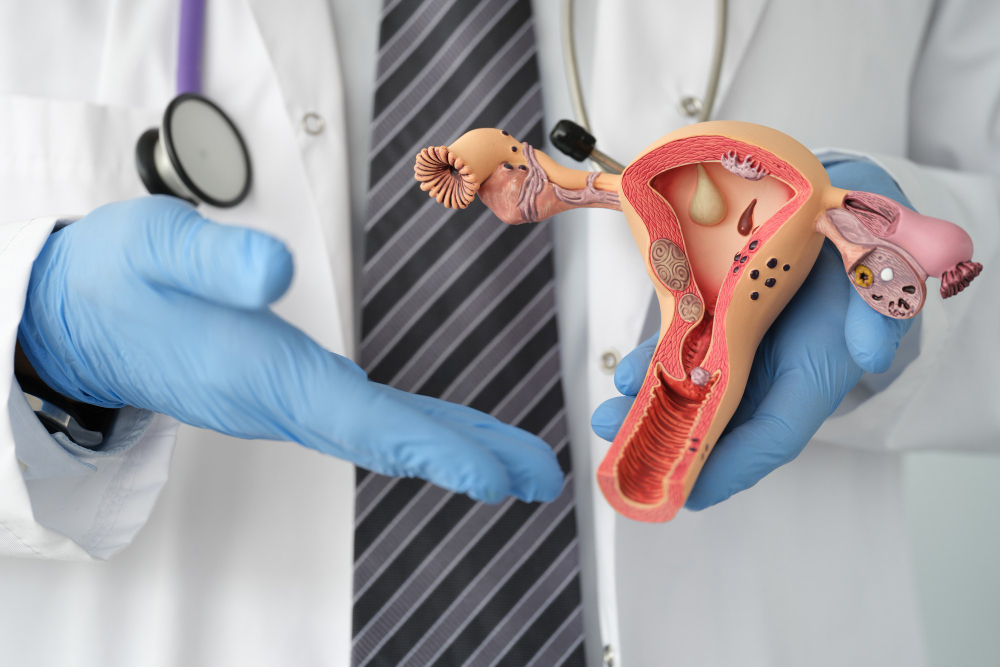
What Are Ovarian Cysts?
Ovarian cysts are fluid-filled sacs that form on or inside a woman’s ovary. Most cysts are harmless and may go away on their own. However, some can cause pain or other problems. Understanding the causes of ovarian cysts can help you take better care of your reproductive health. Ovarian cysts are common, especially for women of childbearing age. According to the Centers for Disease Control and Prevention (CDC), many women will have at least one cyst in their lifetime.
Common Causes of Ovarian Cysts
There are several reasons why ovarian cysts may develop. Knowing these causes can help you understand your body better. Here are some of the most common causes of ovarian cysts:
In most cases, these cysts are not cancerous. But, it is important to know the causes and watch for symptoms.
Risk Factors for Developing Ovarian Cysts
Some women are more likely to develop ovarian cysts than others. The following risk factors may increase your chances:
For women worldwide, these risk factors can play a big role in ovarian cyst development. If you have any of these, talk to your doctor about your reproductive health.
How to Reduce Your Risk
While you cannot always prevent ovarian cysts, you can take steps to lower your risk. Here are some helpful tips:
Additionally, staying aware of your body’s changes can help you catch problems early. Early detection often leads to better outcomes.
When to See a Doctor
Most ovarian cysts do not cause symptoms. However, you should see a doctor if you notice:
These signs may mean you need urgent care. Even if your symptoms are mild, it is wise to talk to a healthcare provider. They can check for ovarian cyst risk factors and give you the right advice.
If you have concerns about ovarian cysts, consult a gynecologist at Dr. Nasreen Ashfaq for personalized advice. Your health and peace of mind matter.